Eleven sights in Milan cost nothing to see, and most of them are open every day of the year. But “free” in this city has a schedule. Several churches lock their side doors during Mass. One museum waives its fee for a single window a month, on a date the Ministry of Culture sets, not the venue. A courtyard that looks permanently open in fact follows seasonal gate hours set by the city council. This article lists all eleven, with the actual access pattern for each, compiled from the operators’ and parishes’ own published schedules.
The wider pattern on this site is that the ticket is the plan in Milan: the things people most want are rationed into timed slots, booked out months ahead. What’s free works the opposite way. Nobody queues for it, and nobody needs a slot. The trade-off is that nobody is obliged to tell you when the gate shuts for the night, either.
The eleven, and the small print on each
The table below gives the pattern, not a timetable to screenshot. Seasonal hours shift by roughly an hour either side of the months shown, and a city-wide event can override any of them. Where a source is named, check it before planning a day around a single entry.
| What’s free | Actual access pattern | The catch |
|---|---|---|
| Piazza del Duomo and the cathedral’s exterior | Open to the public around the clock | Concerts, markets and the winter ice rink fence off sections; the Veneranda Fabbrica del Duomo di Milano posts the event calendar |
| Galleria Vittorio Emanuele II (the arcade itself) | The passage runs continuously; it is a public right of way, not a gated attraction | Individual shops and cafés keep ordinary retail hours, roughly 10:00–20:00 |
| Castello Sforzesco’s courtyards and ramparts | Gates open at dawn, close at dusk; the Comune di Milano posts the seasonal times at each entrance | The museums inside the castle charge separately and close on Monday |
| Parco Sempione, behind the castle | Open roughly 6:30 to sunset, adjusted monthly by the city | None; this is the one entry on the list with no real catch |
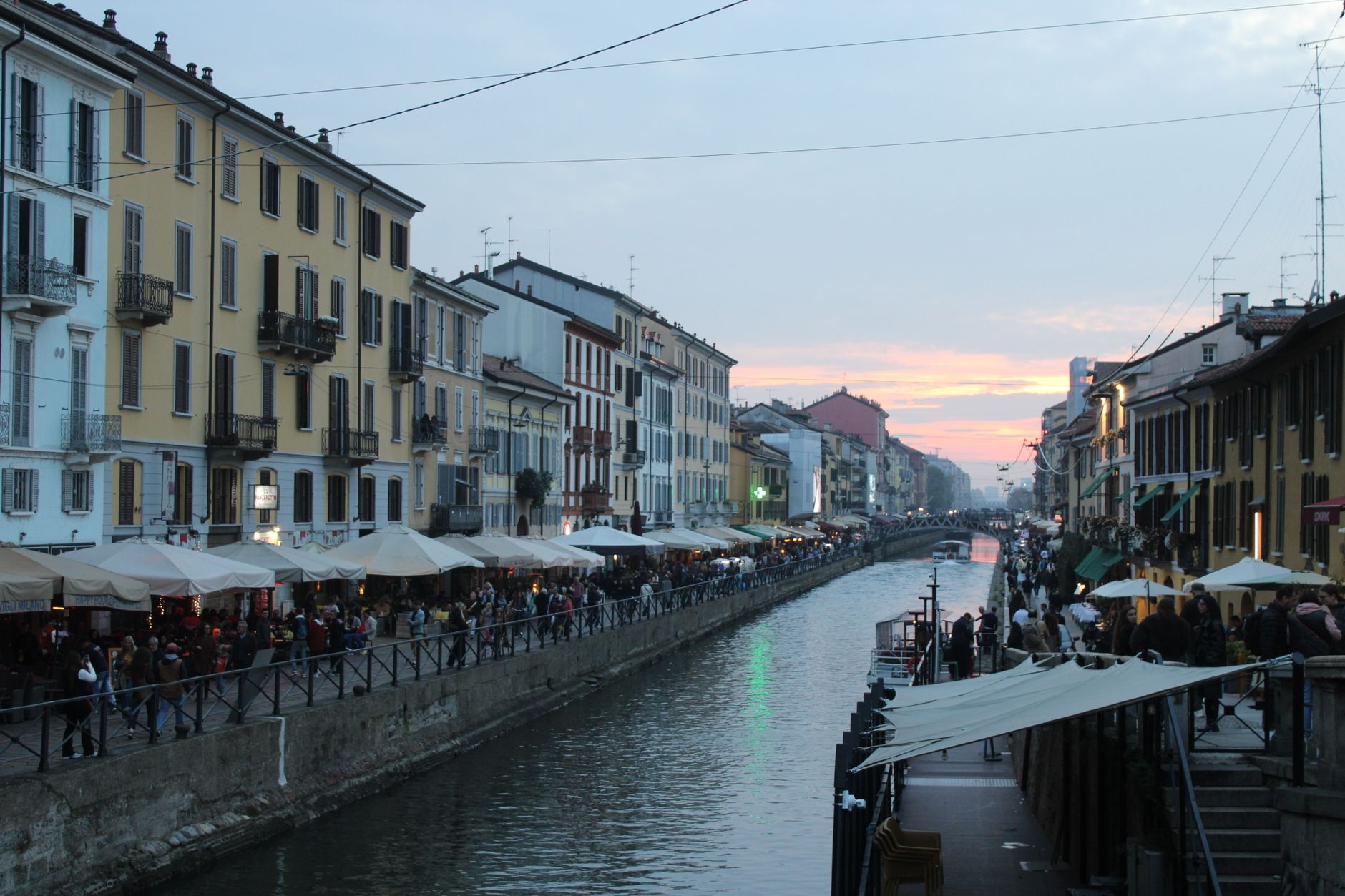
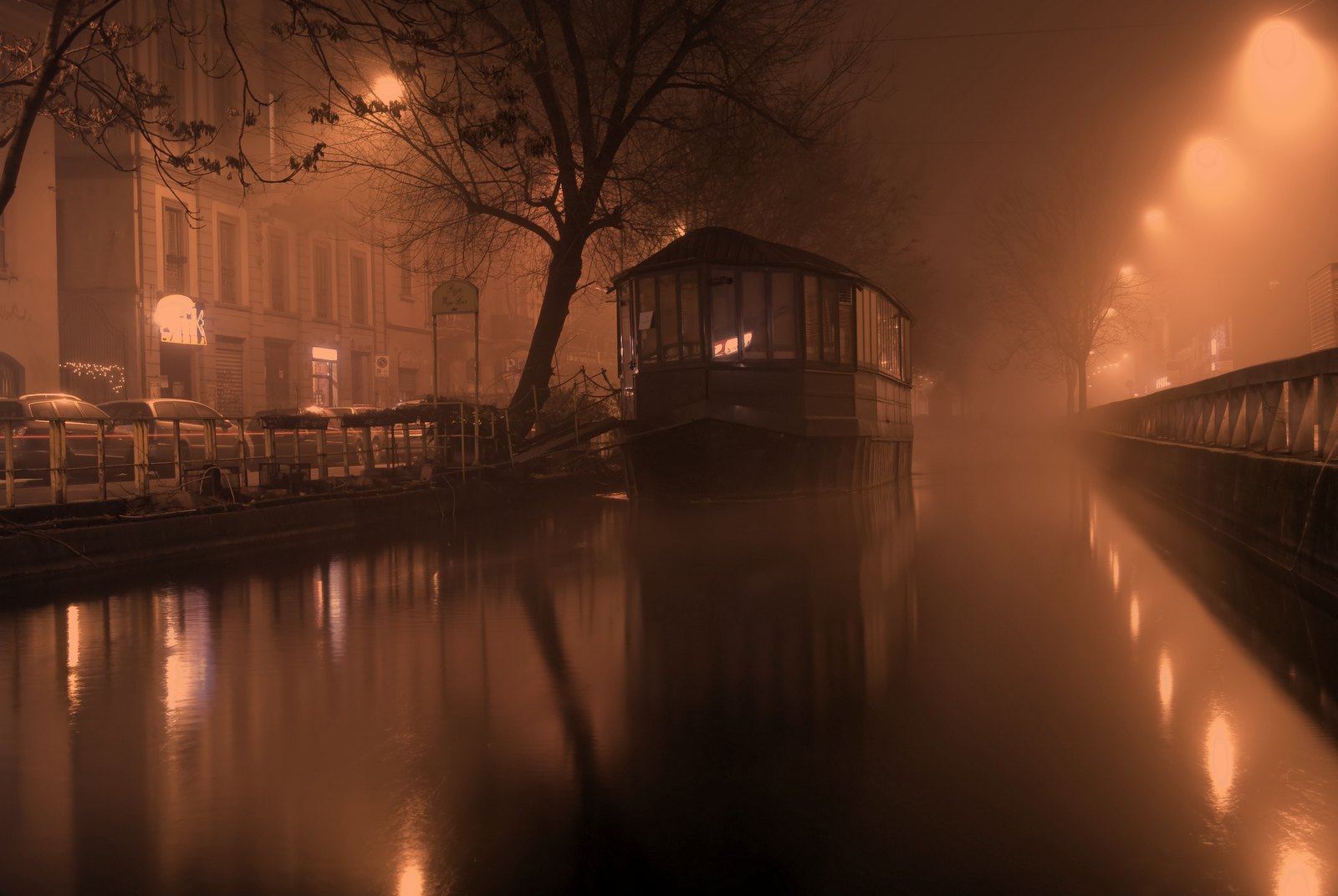
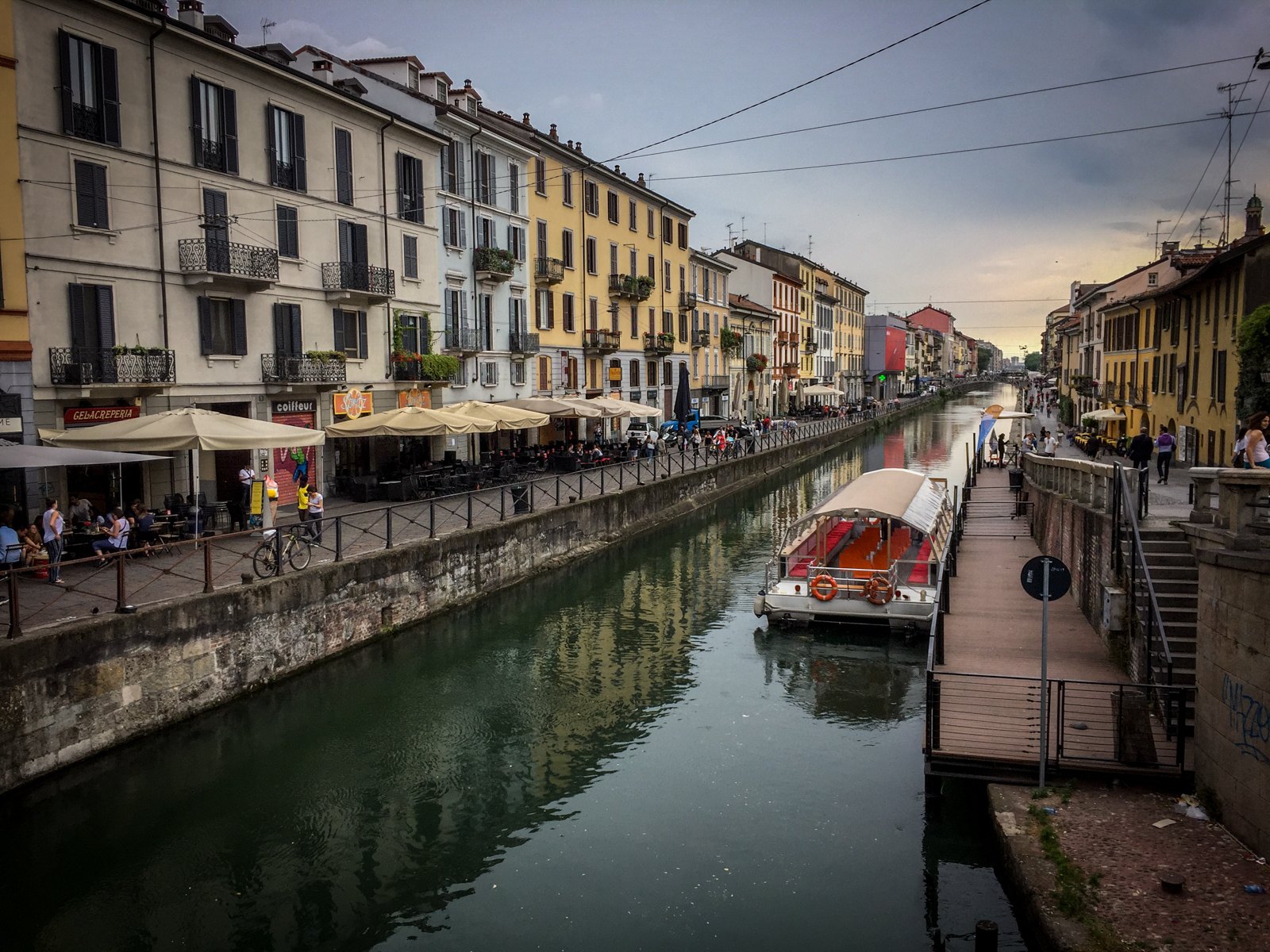
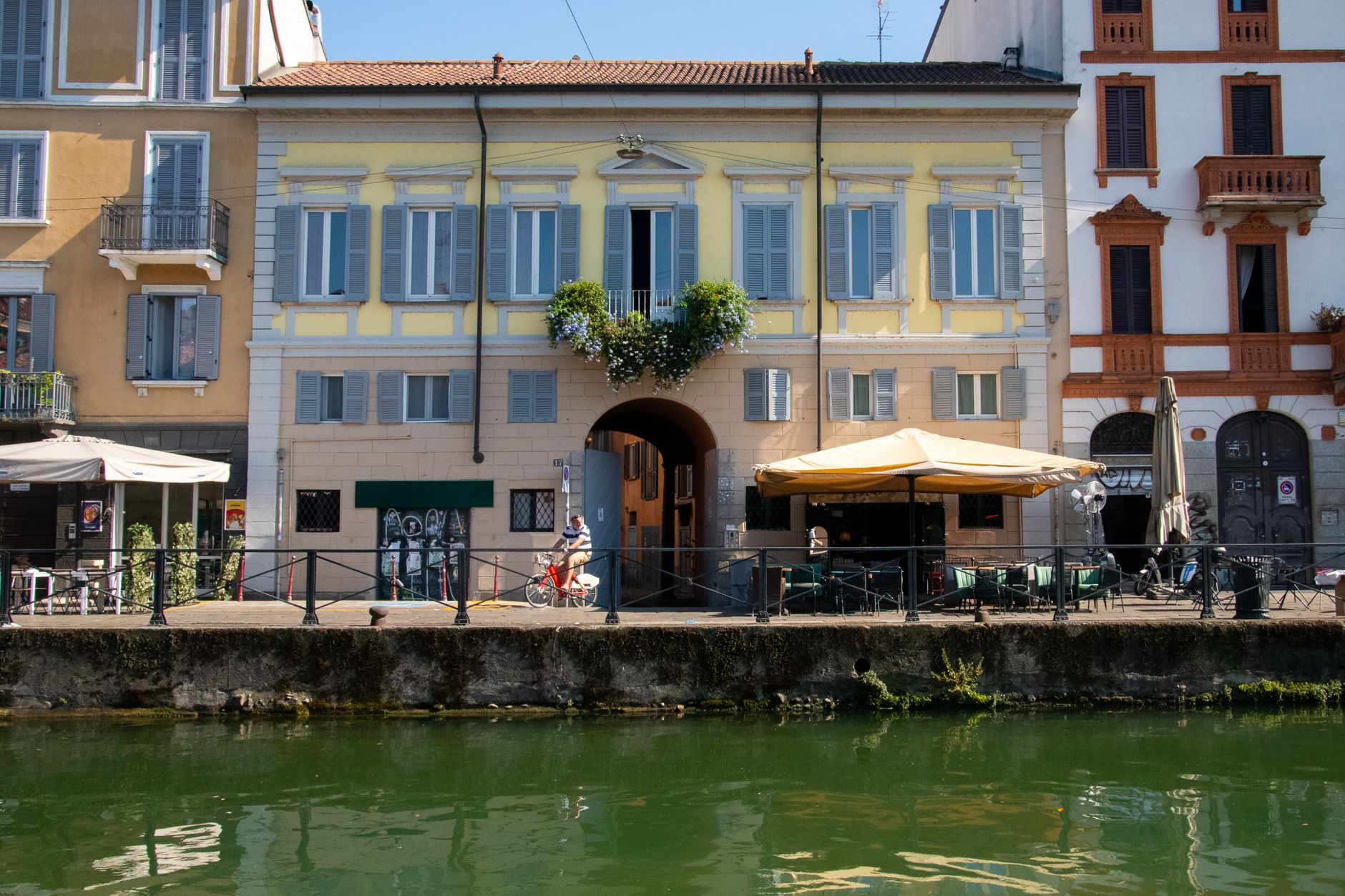
| The Navigli and the Darsena basin | Open at all hours; it is a street and a dock, not a ticketed site | A seat at a canalside table during aperitivo is a paid coperto, not a free view |
| Colonne di San Lorenzo, outside the basilica | Open-air Roman colonnade, accessible day and night | It becomes a standing-room gathering point most evenings; not a problem, just not quiet |
| Basilica di Sant’Ambrogio, the nave | Open mornings and afternoons, with a midday closure | Closed to sightseeing during the several daily Masses; the parish, not a tourist board, sets the clock |
| Santa Maria delle Grazie, the church only | Similar split hours, morning and afternoon, closed over Mass | This is not the Cenacolo next door — the Last Supper ticket is a different, rationed, paid entry |
| Santa Maria presso San Satiro | Limited opening hours, often reduced to a few hours on set days | Largely volunteer-run; the parish bulletin, not a fixed hall porter, decides whether the door is open today |
| Cimitero Monumentale, the grounds | Open Tuesday to Sunday, standard cemetery daytime hours | Closed Monday, like nearly every museum in the city; the Famedio near the entrance keeps separate, shorter hours |
| Pinacoteca di Brera’s free window | A fixed number of free-entry dates a year, set under the Ministry of Culture’s national scheme | Dates move and have been suspended and reinstated before; confirm the current calendar on the museum’s own site |

The churches that lock their own doors
This is the detail most lists skip. A Milanese parish church is a working church first. Sant’Ambrogio and Santa Maria delle Grazie both run several Masses a day, and the nave closes to sightseeing for each one — typically a short window around midday and again in the early evening. Neither posts the exact minute online; both post it at the door. A visitor arriving at 12:40 may simply find the aisle roped off until the service ends. This is not an oversight to complain about. It is the building doing what it was built for.
Monday, and what it doesn’t touch
Milan’s paid museums close on Monday almost without exception — the Castello’s museums, the Pinacoteca di Brera, the Cimitero Monumentale’s chapels. None of the eleven items above is a paid museum, which is exactly why Monday is a good day to use this list rather than fight the closures elsewhere in the city. Piazzas, churches and canals keep running regardless of the day of the week.

The free afternoon that only exists once a month
The Pinacoteca di Brera’s no-charge dates come from a national scheme run by Italy’s Ministry of Culture, not from the gallery alone, and the program’s shape has changed more than once in recent years — sometimes monthly, sometimes restricted further. The gallery’s own site carries the current calendar; treat anything older as out of date. On a free date the gallery still closes at its normal time, so a free afternoon is still a timed one.
Where the Last Supper fits
None of this touches the Cenacolo. Leonardo’s painting — not a fresco, which is why it has been deteriorating since the sixteenth century — sits in a refectory beside Santa Maria delle Grazie, on a separate, paid, heavily rationed ticket released months in advance. Read how far ahead that booking window really runs before assuming a same-week visit is possible. If it isn’t, the church attached to it is free and open on the hours above, and the Basilica di Sant’Ambrogio — older, and ten minutes away on foot — is free every day it’s not mid-service.
When the free list gets crowded, or doesn’t open at all
Two periods change this list more than any schedule does. Around Ferragosto in mid-August, many of the smaller volunteer-run churches close for two or three weeks, often announced with nothing more than a handwritten sign. In April, the Salone del Mobile fills every hotel room in the region and the city’s outdoor spaces get correspondingly busier, though none of them start charging. Both patterns are worth building a trip around, and neither shows up on a ticket page.
Getting between eleven free things without paying twice
All eleven sit within reach of Milan’s ordinary public transport. The city’s 90-minute ATM ticket covers one metro ride plus connecting trams and buses, which is usually enough to string two or three of these together in a morning. A contactless bank card works at the gate — and has to be tapped again on the way out of a metro station, which trips up more visitors than any closed church door. For the wider transport picture, the Getting Around archive covers fares, zones and the tram network, including the 1928 trams still running ordinary routes rather than tourist loops.
How this site checks the claims above, and who is writing them, is set out on the About page; what we collect when you read the site is covered in the privacy policy. For everything that isn’t free — the Duomo’s roof terraces, the Last Supper, timed museum slots — the Booking Ahead archive covers how far in advance each one actually needs to be reserved.
Access Milan is an independent guide written from published, checkable sources. We have not visited the places described here and we do not publish personal recommendations or invented ‘local favorites’ — where something is singled out as notable, we say who says so. Opening times, fares, closures and prices change at short notice, so treat everything here as a starting point and confirm with the museum, operator or venue directly before building a day around it. We give no advice on visas, insurance, health or safety; use your own government’s official guidance for those.