Access MilanMilano · Lombardia
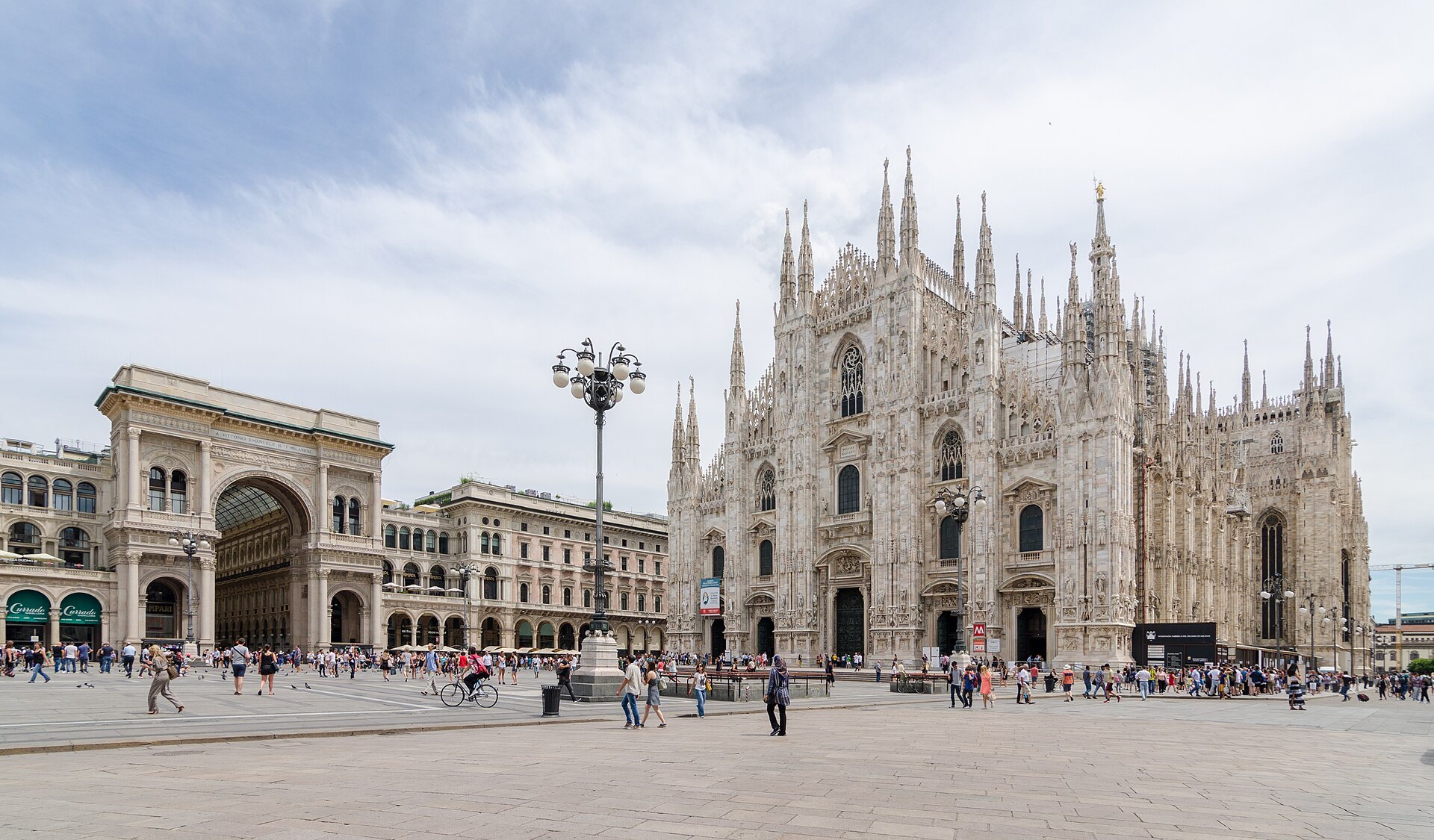
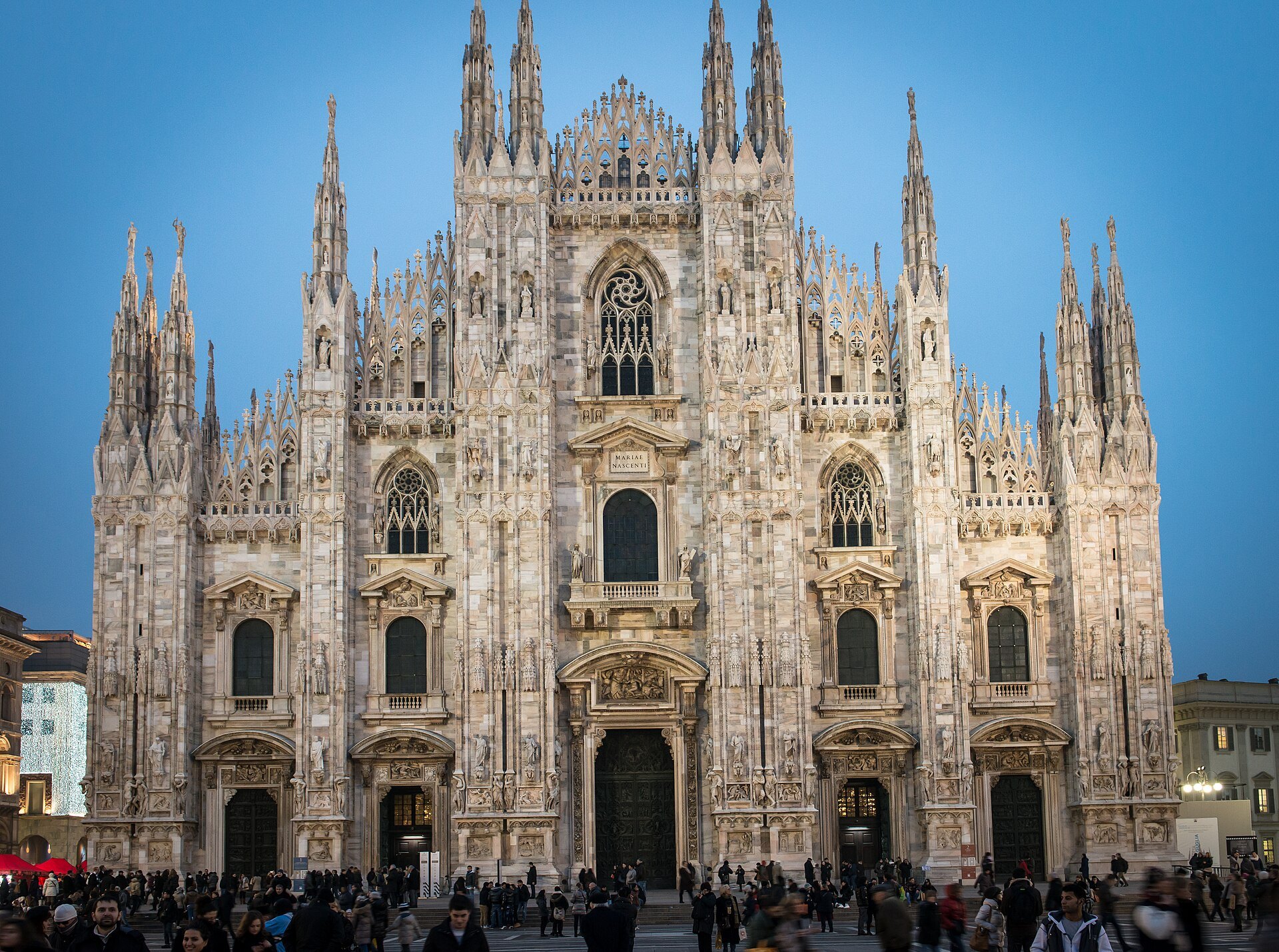
Piazza del Duomo in Milan, the cathedral's marble front on the right and the arched entrance to the Galleria on the left, with people crossing the square between them
MILANO · LOMBARDIA

In Milan, the ticket is the plan.

The Manly ferry is an ordinary fare across the most photographed harbour on earth. The beaches, the ocean pools and the coastal walks are free — and what costs is every alternative sold to you instead.

Photograph by Steffen Schmitz, Wikimedia Commons, CC BY-SA 4.0

16sights, one page each
11 of 16that cost nothing to enter
3airports called Milan
90 minon one urban ticket
1495Leonardo starts the wall
427years to finish the Duomo

“11 of 16” counts the sight pages here that charge no admission at all. The three airports are Malpensa, Linate and Bergamo Orio al Serio, the last of which is in the province of Bergamo and is marketed as Milan Bergamo. 90 minutes is the validity of the ordinary ATM urban ticket. Leonardo is generally dated to have begun the refectory wall in about 1495. And the Duomo was begun in 1386 and its façade completed in 1813 — four hundred and twenty-seven years.

Milan in briefMILANO · LOMBARDIA

What it is

Milan is Italy’s second city by population and its first by almost everything else — around 1.4 million people in the comune and something over three million in the built-up area, on the flat of the Po valley with the Alps an hour north.

It is the country’s financial centre, its fashion and design capital, and the city Italians move to for work. That is why it feels different from the rest of Italy on a first afternoon: it is busy, it is grey in winter, and it does not perform itself for visitors. The good part is behind the doors.

How it got here

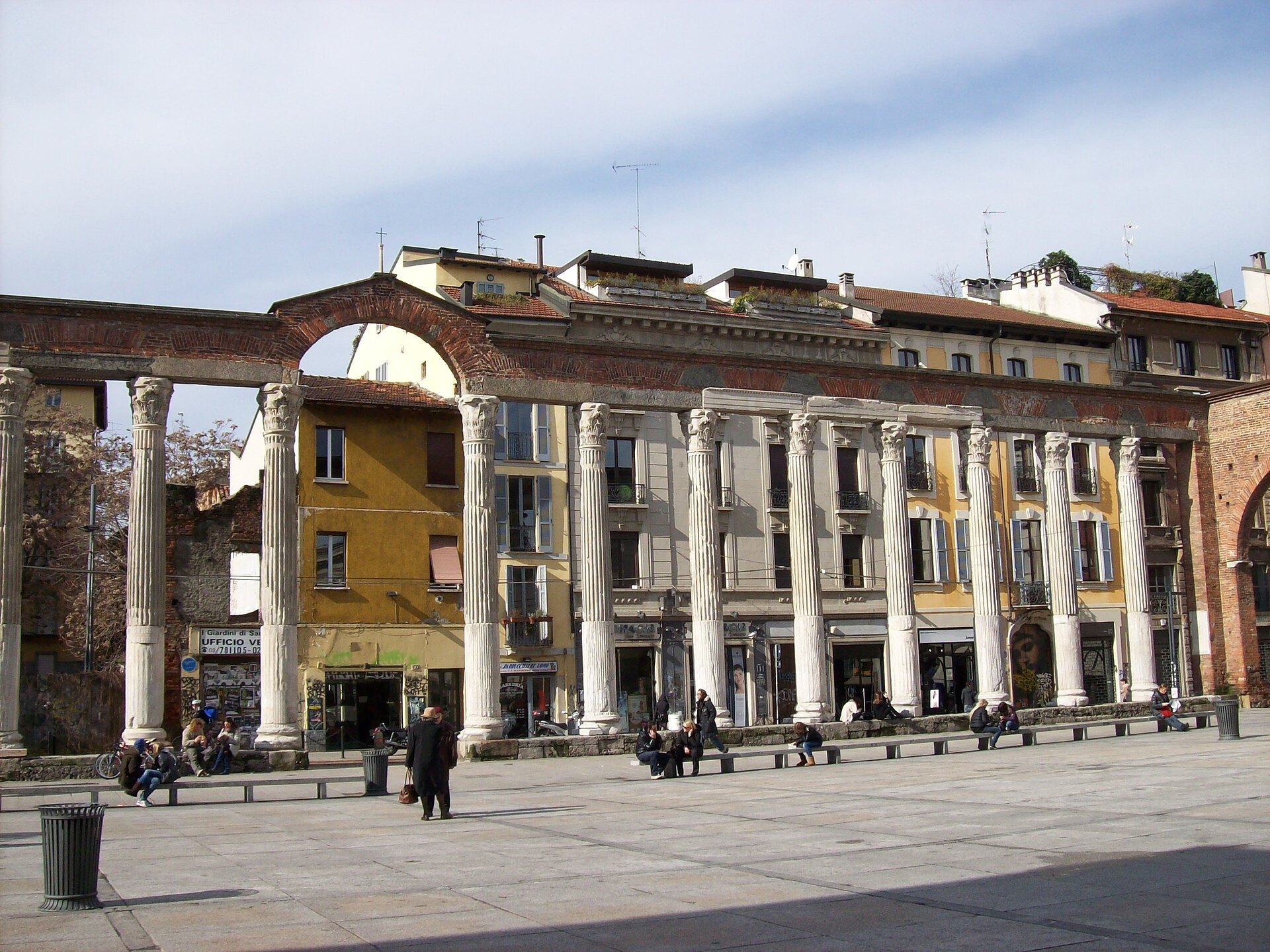
This was Mediolanum, and for about a hundred years from 286 it was the capital of the western Roman empire — bigger and more important than Rome at the time. Constantine’s edict of toleration was issued here in 313. The sixteen columns outside San Lorenzo are the largest piece of that still standing.

The Visconti and then the Sforza ruled it as a duchy, built the castle, and in 1386 began a cathedral that would take four hundred and twenty-seven years to acquire a façade. Leonardo worked here for nearly twenty years — on the canals, on a horse that was never cast, and on a refectory wall.

Spain, then Austria, then Napoleon, then Austria again. The Five Days of Milan in 1848 threw the Austrians out for a fortnight and made the city the moral centre of Italian unification; the Galleria was built to celebrate the kingdom that followed.

Industry made it rich and the war flattened much of it — Allied bombing in 1943 took the roof off the refectory holding the Last Supper, which survived behind sandbags. The rebuilding was fast, cheap in places, and is why so much of the centre is post-war.

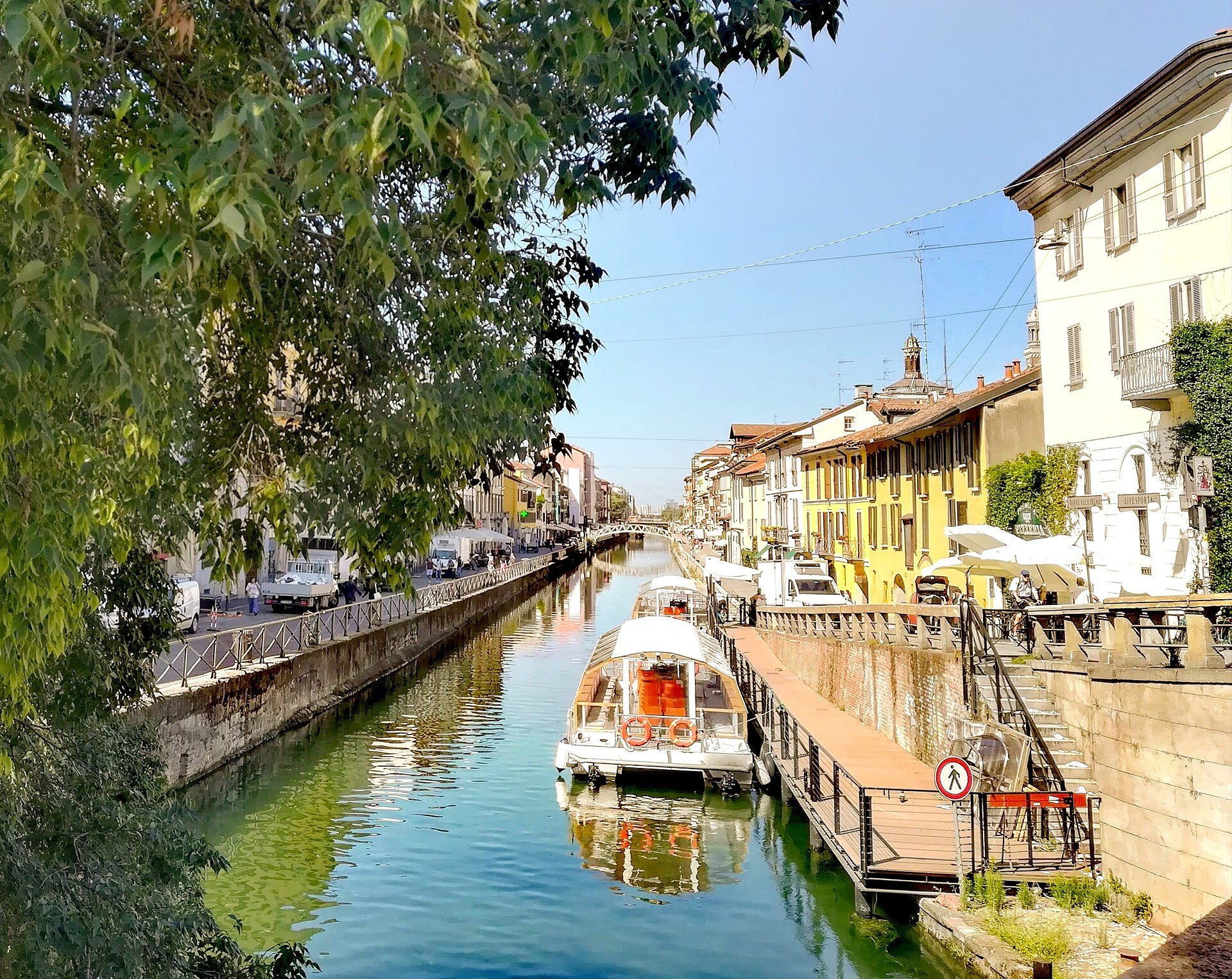
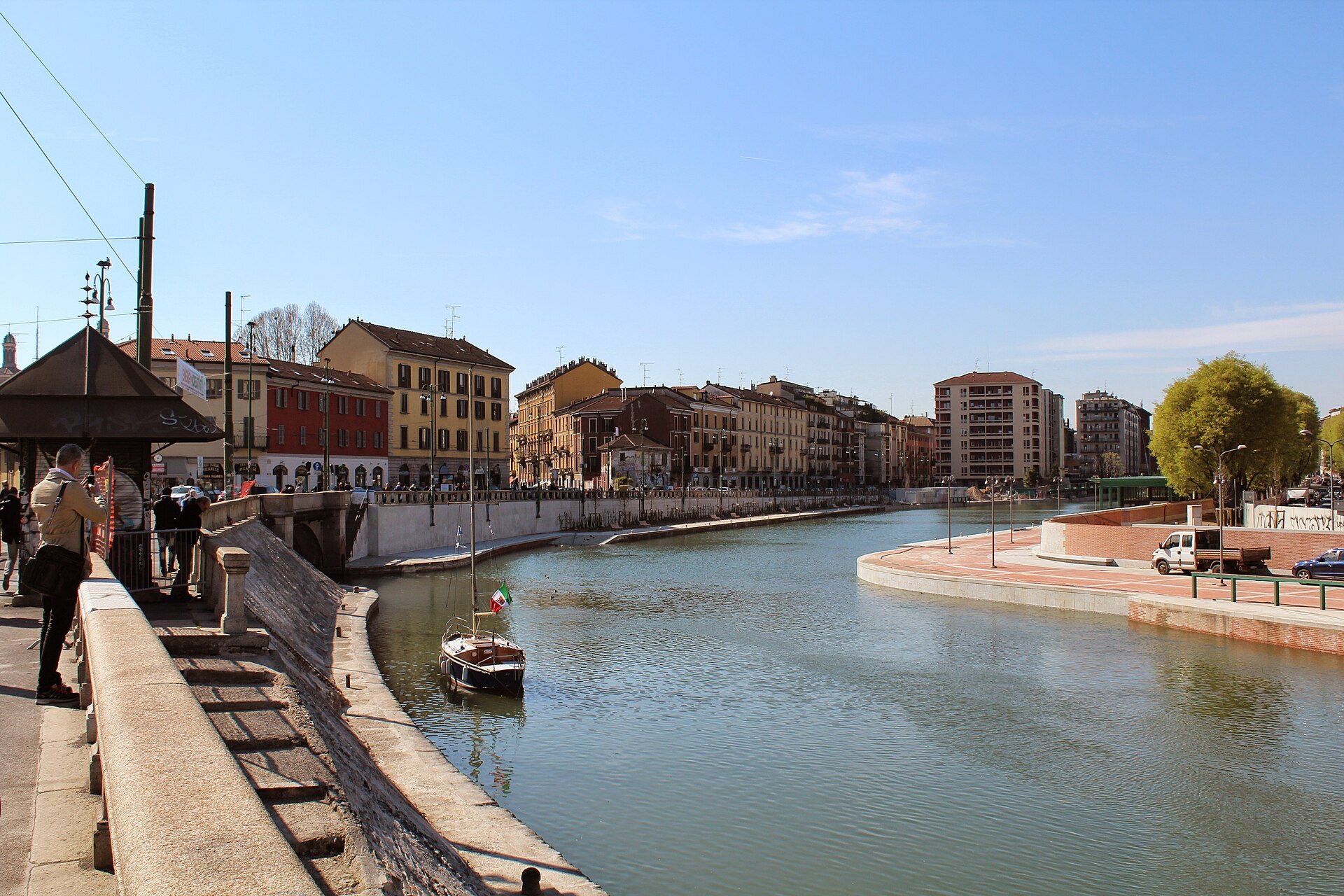
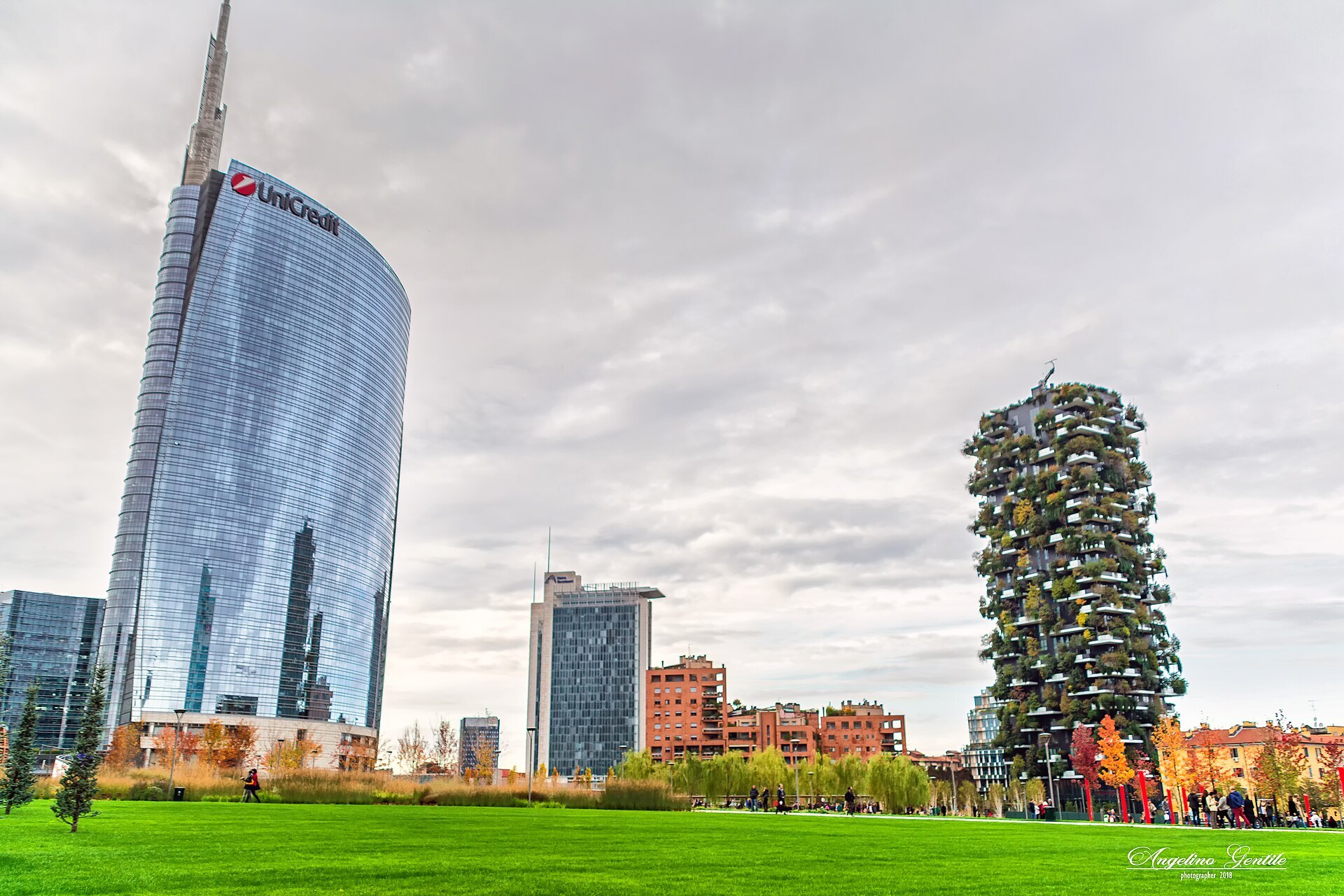
Then the miracolo economico, fashion in the 1970s and 80s, and since about 2010 a second rebuilding: Porta Nuova on railway land, the Darsena dug out and reopened, and a fourth and fifth metro line.

What it is known for

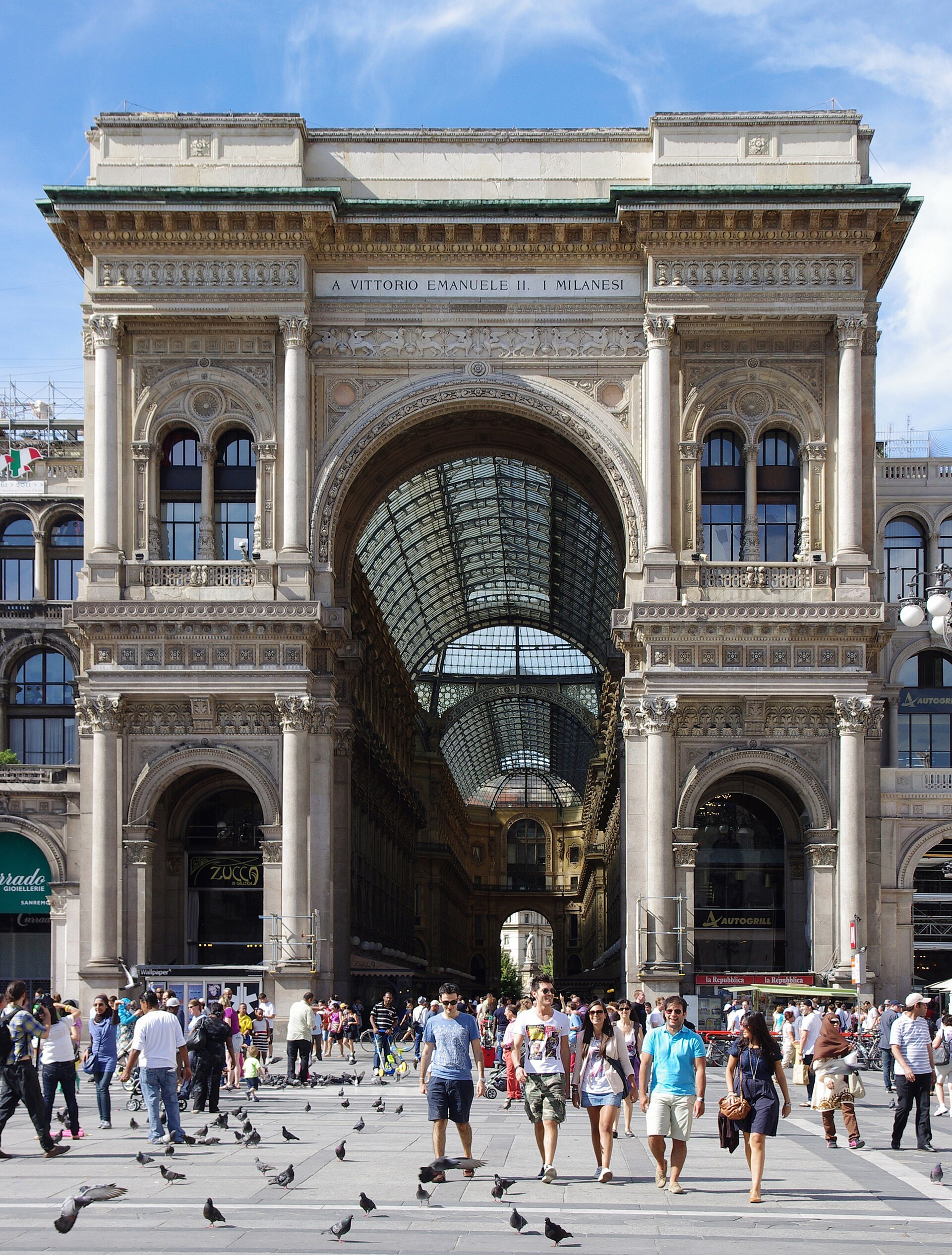
Milan is known for fashion and design, for the cathedral and the arcade beside it, for a refectory wall people book months ahead to stand in front of for a quarter of an hour, for aperitivo and for saffron risotto — and, among Italians, for working harder than the rest of the country and mentioning it.

What visitors remember is usually the contrast: a flat grey street with a shut door in it, and then the courtyard behind the door.

Country
Italy · region of Lombardy
Population
~1.4 million in the comune, over 3 million in the built-up area
Founded
Roman Mediolanum; capital of the western empire from 286
Language
Italian. English is common in hotels and the centre, less so on a bus
Currency
Euro (€). Cards are taken almost everywhere, including on the metro
Time zone
CET UTC+1 · CEST UTC+2 from late March to late October
Getting around
One ATM ticket, valid 90 minutes · ⭐ tap in and out with a bank card
Airports
⚠️ Three — Malpensa 50 km, Linate 7 km, Bergamo 50 km and another province
Booking
⛔ The Last Supper goes months ahead. So do the Duomo terraces and La Scala
⚠️ August
Around Ferragosto on the 15th much of the city closes for two or three weeks

Figures as published and checked on 7 September 2026. ⚠️ Booking windows, admissions and closing days all change — confirm anything you are relying on before you travel.

Five things to know before you land

Each of these decides how the week goes, and not one of them is about which beach to choose.

⛔ Book the Last Supper before anything else

Fifteen-minute slots for about thirty people, released in batches months ahead and gone quickly. Find the slot first and build the trip around it — everyone does it the other way round and then discovers there is nothing left. If it has gone, the church itself is free and open.

⚠️ Three airports, and only one is near the city

Malpensa is about 50 km north-west with a dedicated express train. Linate is about 7 km east and the new M4 metro reaches it on an ordinary urban ticket. Bergamo is marketed as Milan Bergamo, is 50 km north-east, and is in a different province.

⭐ One ticket, ninety minutes, tap in and out

The urban ticket covers metro, tram and bus for 90 minutes — one metro journey plus as many surface changes as you can fit. A contactless bank card works at the gate, and you tap the same card again on the way out of a metro station.

⚠️ The museums close on Monday

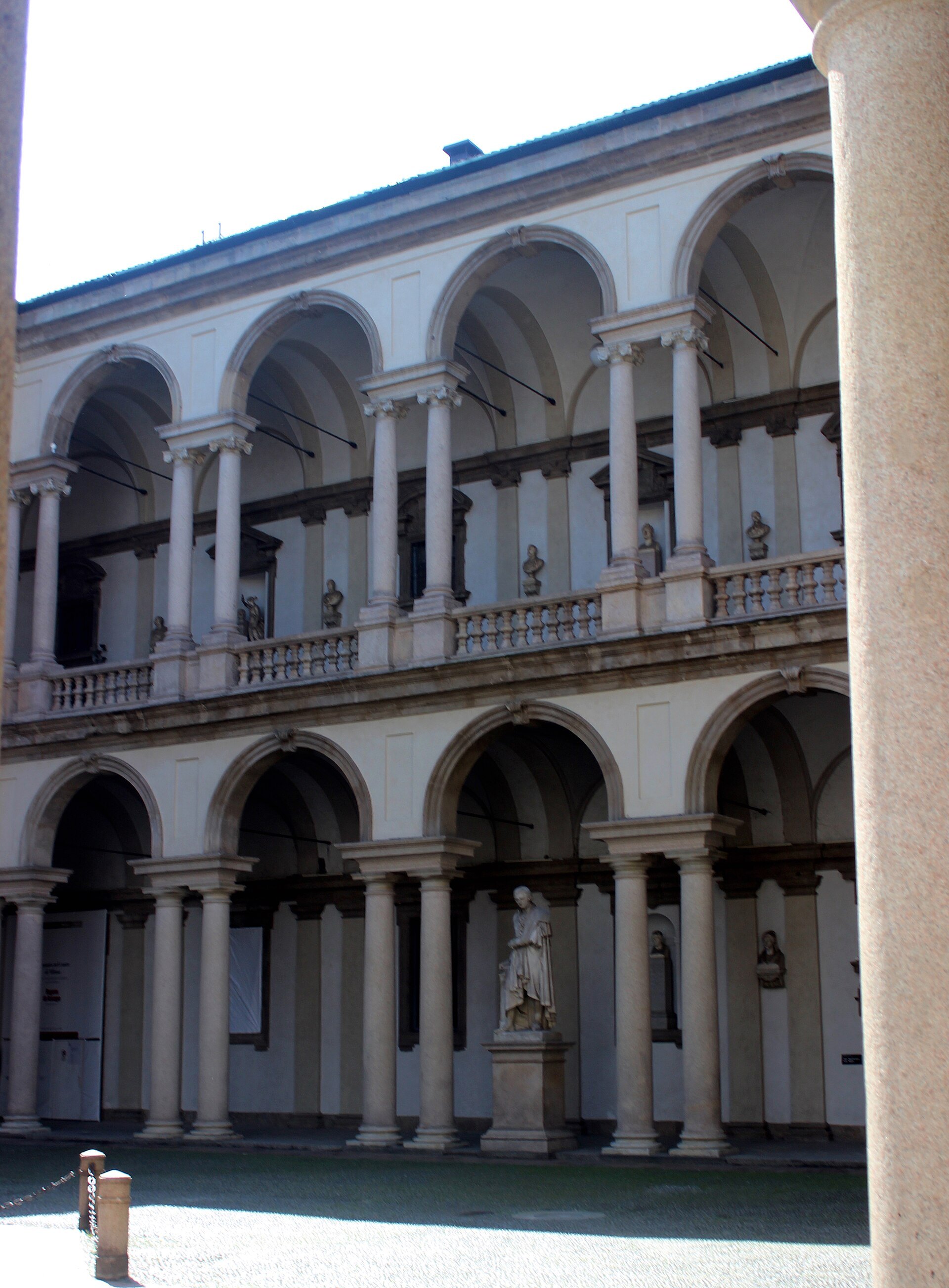
Nearly all of them: the Castello, the Pinacoteca di Brera, the Monumentale. A Monday in Milan goes to the churches, the streets and the canals, which are open and mostly free.

⚠️ August empties the city, and April fills it

Around Ferragosto on the 15th of August much of Milan shuts for two or three weeks, often announced only by a sign on the door. In April the Salone del Mobile takes every hotel room in Lombardy and multiplies the price of the ones left.

Start here

Eleven sections as the brass bell panel beside a Milanese street door — the thing you actually press to be let in. The first three are the ticket, the booking and the airport, because those are what go wrong.

ACCESS MILANSUONARE · RING
BIGLIETTOGetting AroundOne ATM ticket, valid 90 minutes — one metro journey plus every tram and bus you can fit. ⚠️ Tap in and out with the same card.90 min · Mi1–Mi3PRENOTABooking Ahead⭐ The section this whole site turns on. What must be booked, how far ahead, and what to do when it has already gone.⛔ months, not daysAEROPORTIGetting Here & OnwardThree airports, and the one called Milan is fifty kilometres out. Which train from which — and why Bergamo is a different province.MXP · LIN · BGYVEDERELandmarks & SightsSixteen places, one page each, in three clusters. Eleven cost nothing, and those are the ones with no queue.16 sights · 11 freeTERRAZZEThe Duomo & Its RoofFour hundred and twenty-seven years to finish, and a marble roof you can walk on among the spires. ⚠️ Stairs and lift are different tickets and different doors.⚠️ two ticketsMUSEIMuseums & HistoryBrera, the Ambrosiana, the Castello and a refectory wall. ⚠️ Nearly all of them shut on Monday.⚠️ closed MondaysAPERITIVOFood & DrinkAperitivo is a meal. Risotto here is yellow, the cotoletta is on the bone, and the coperto on your bill is not a tip.18:00–21:00QUARTIERINeighbourhoodsBrera, Navigli, Porta Nuova, Ticinese, Porta Venezia. Milan shows the street a wall and keeps the courtyard behind it.5 quartersDESIGNShopping & DesignThe Quadrilatero is free to walk. ⚠️ And in April the Salone takes every hotel room in Lombardy and triples the price of the rest.⚠️ April is madGIORNIItinerariesOne to five days, built around the slot you managed to book and the fact that the museums shut on Monday.1 · 2 · 3 · 5 daysUSCITEDay Trips & NearbyComo, Bergamo, Pavia and Monza — all under an hour by train, most on an ordinary regional ticket.⭐ under 1 hour

The sixteen sights

Free first, ticketed after. Eleven of the sixteen cost nothing to enter — ⭐ and three of the five that charge are paid versions of a view you can get for nothing.
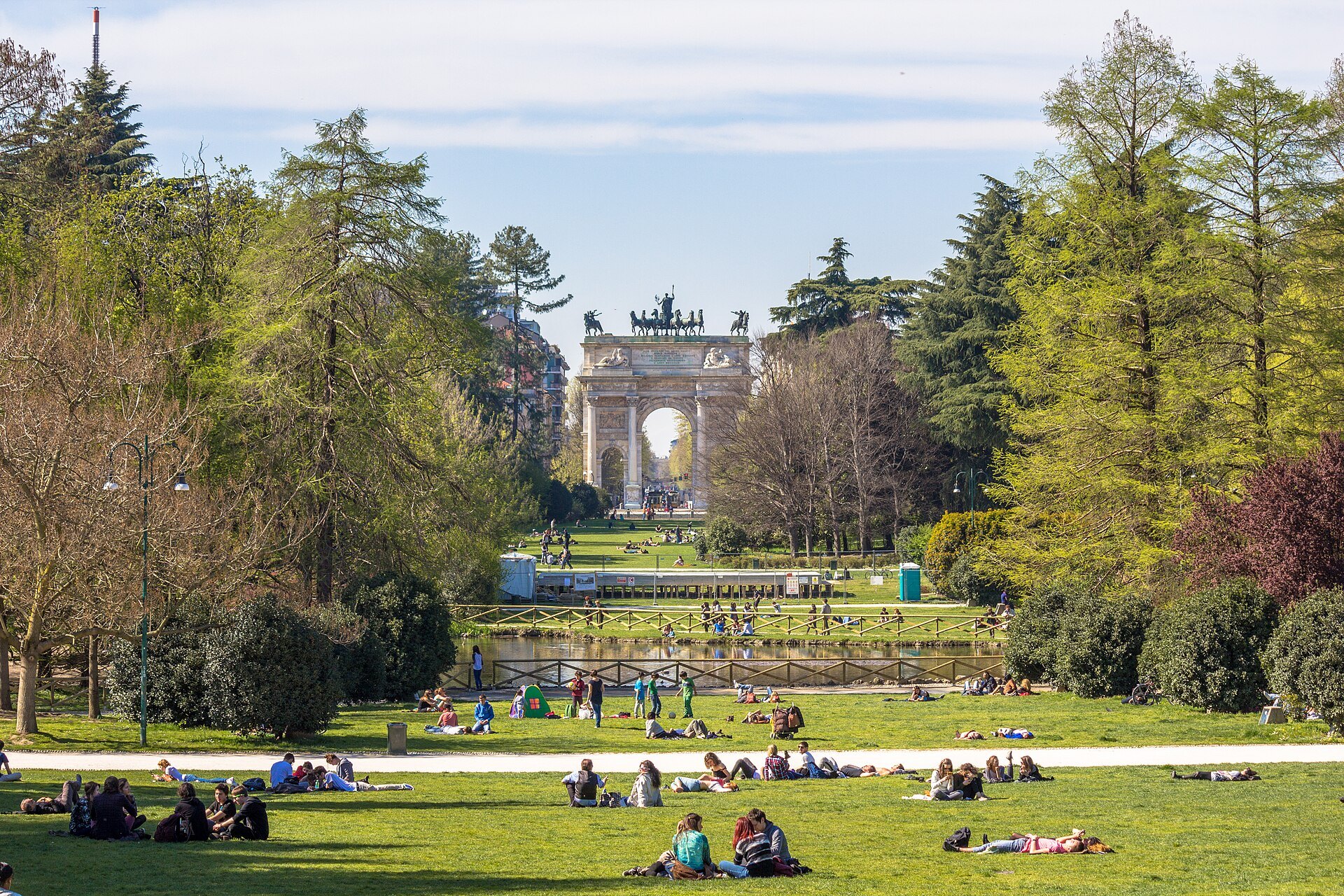
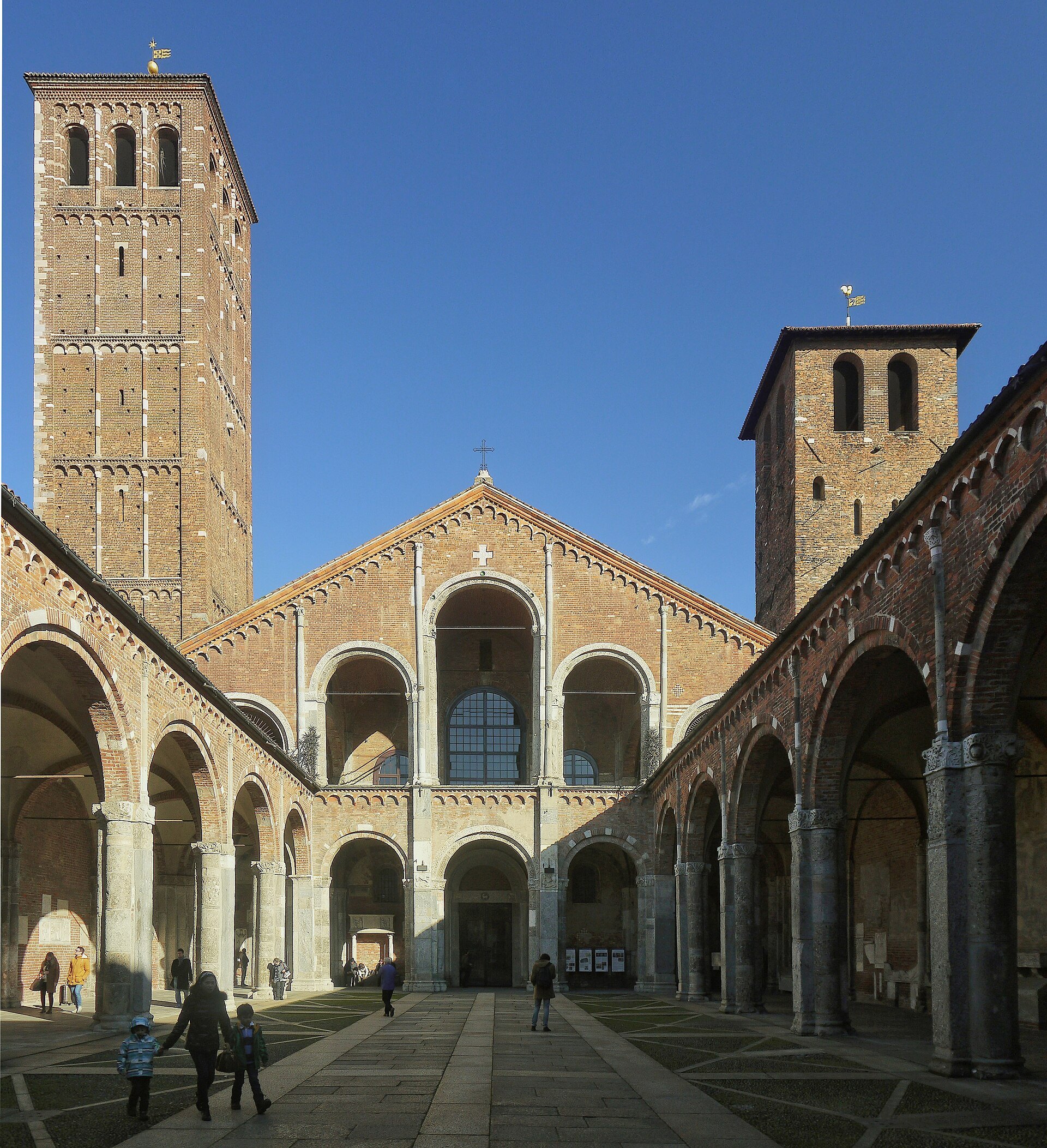
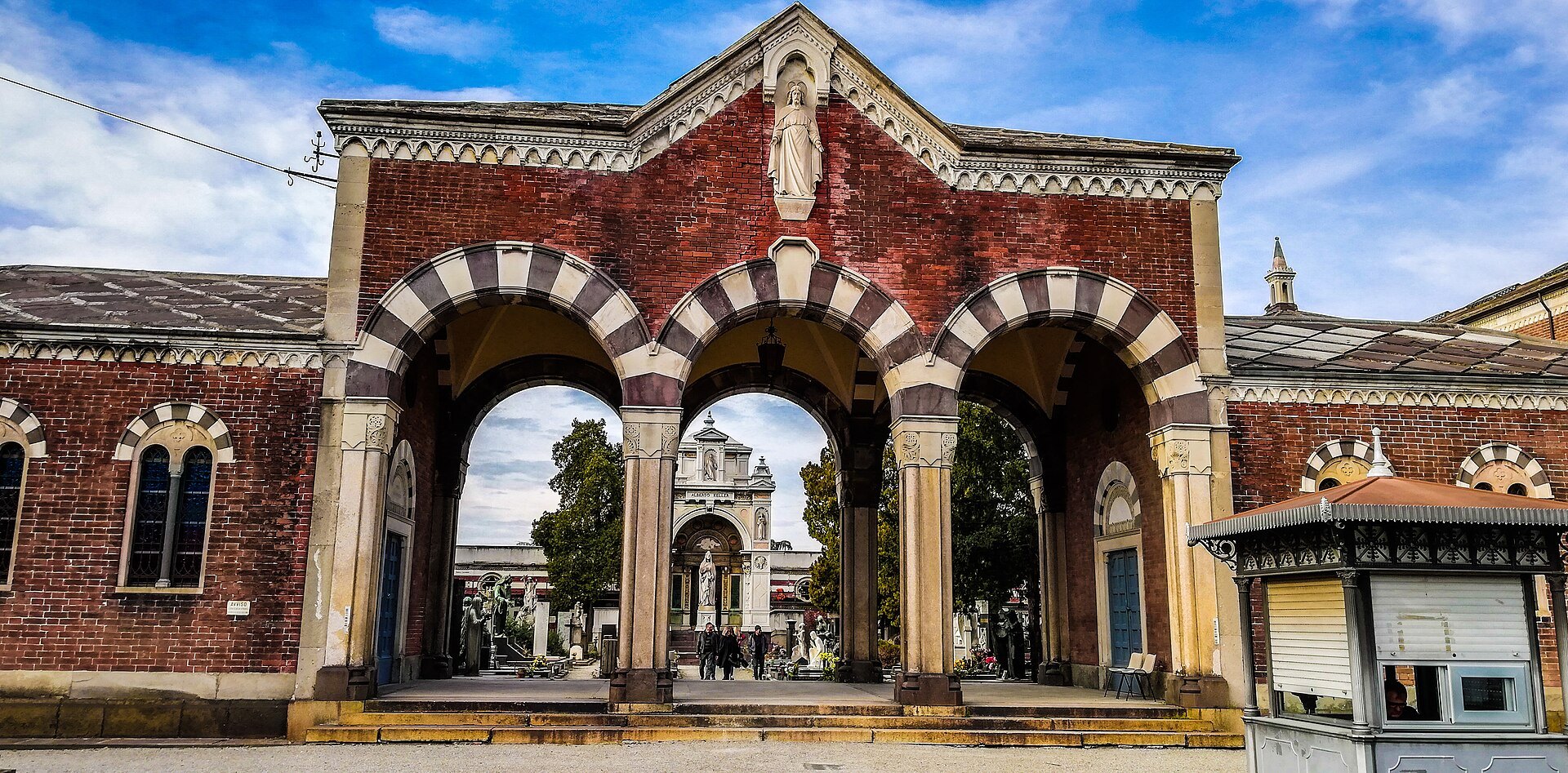
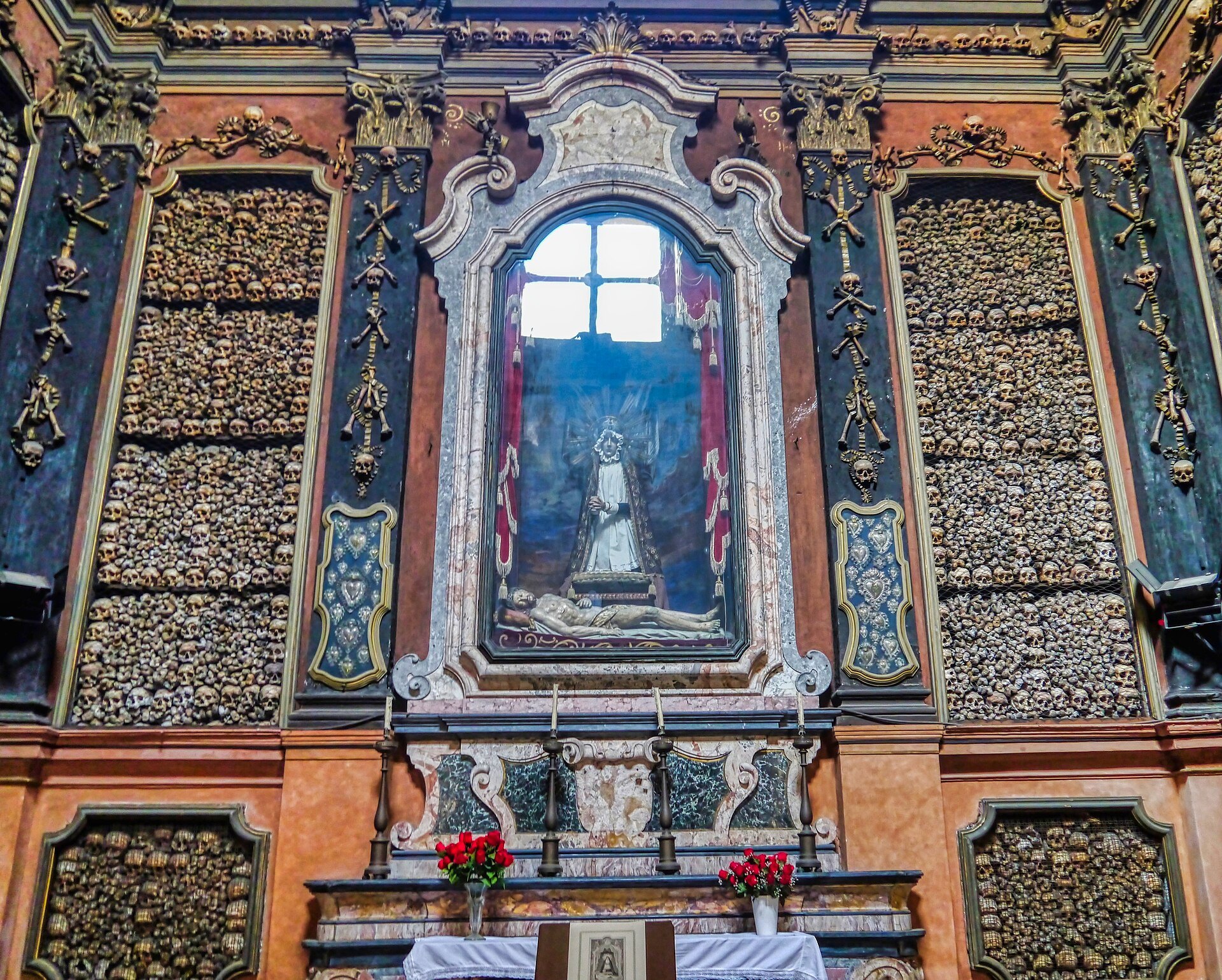
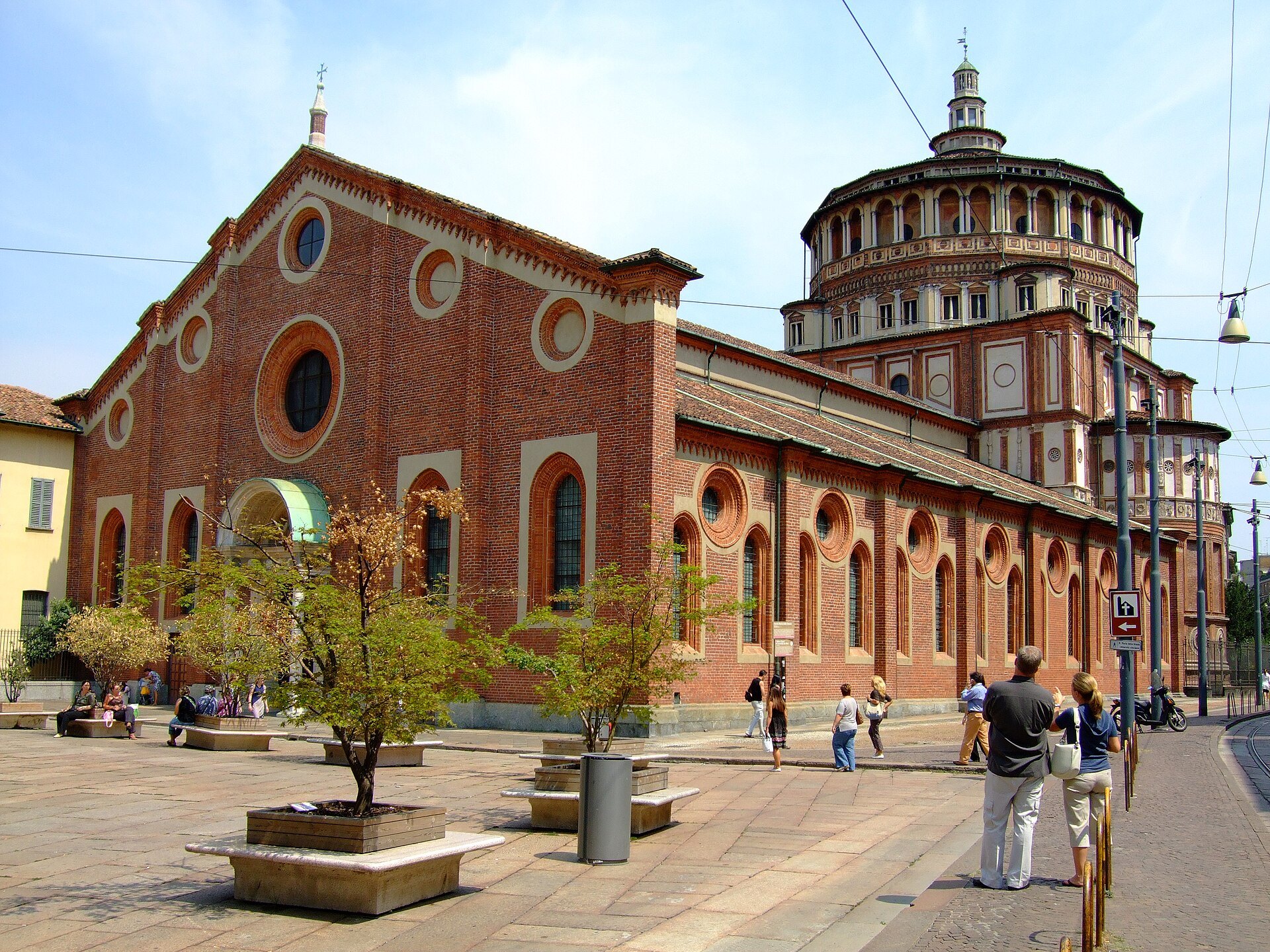
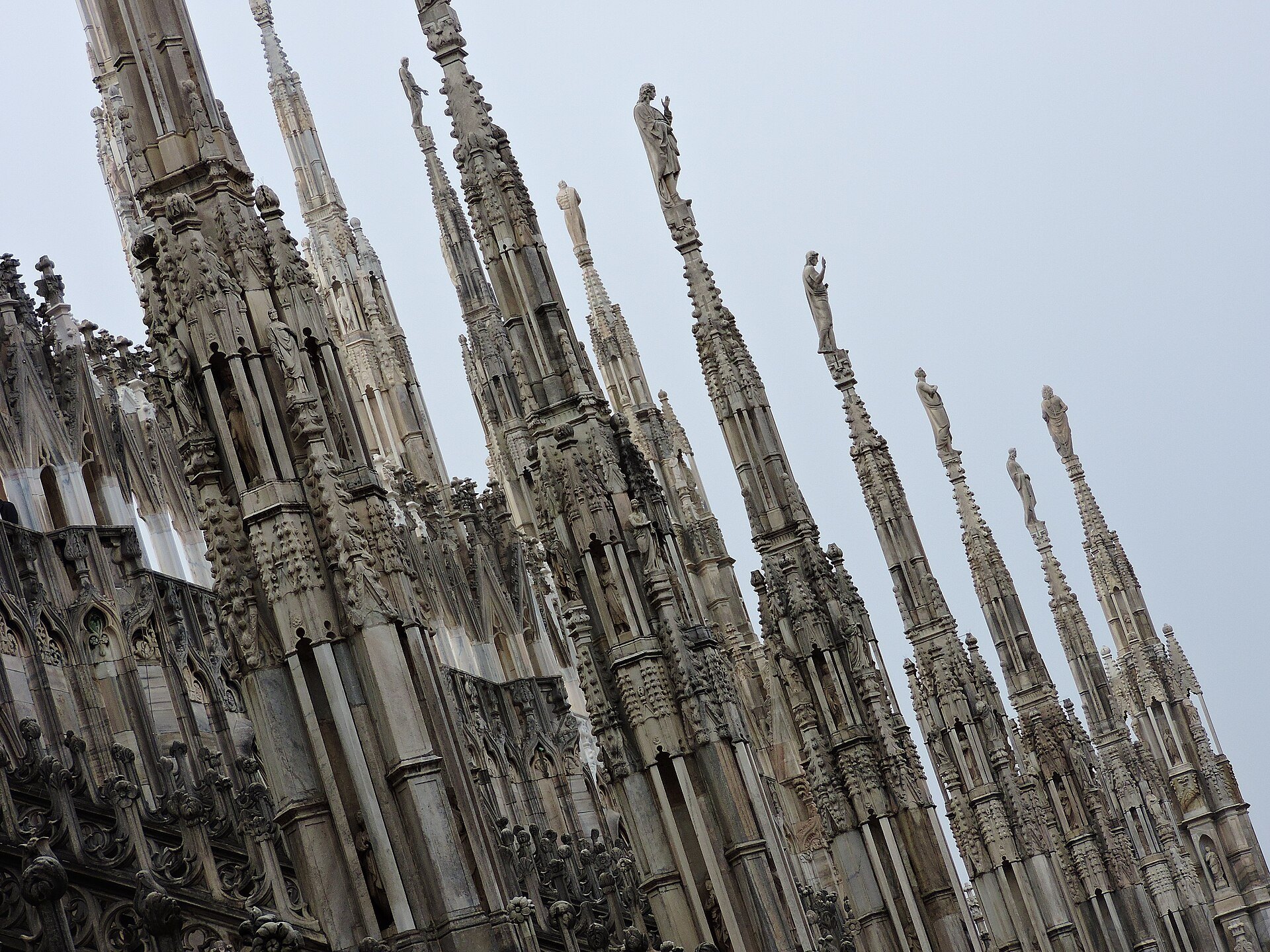
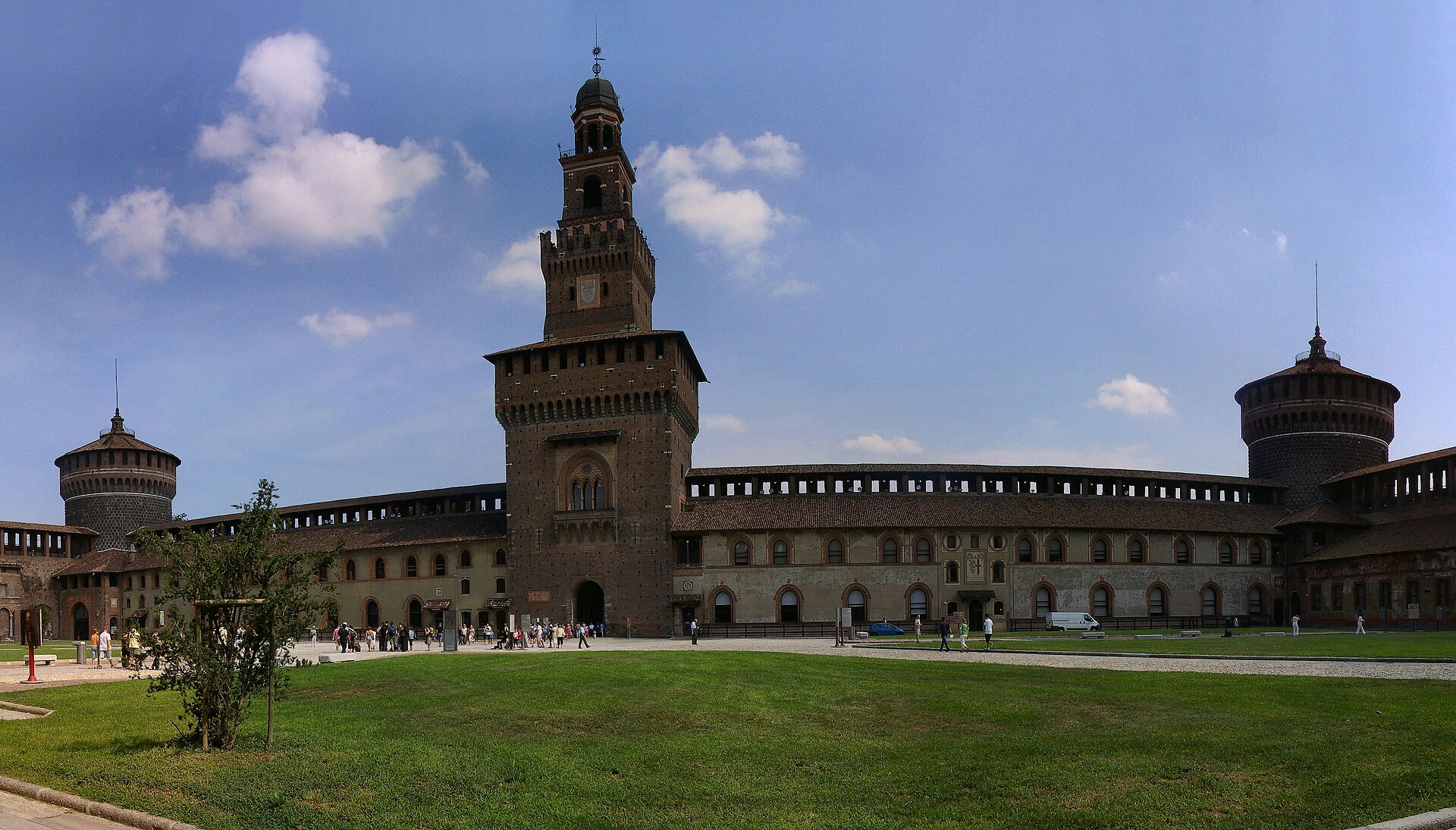
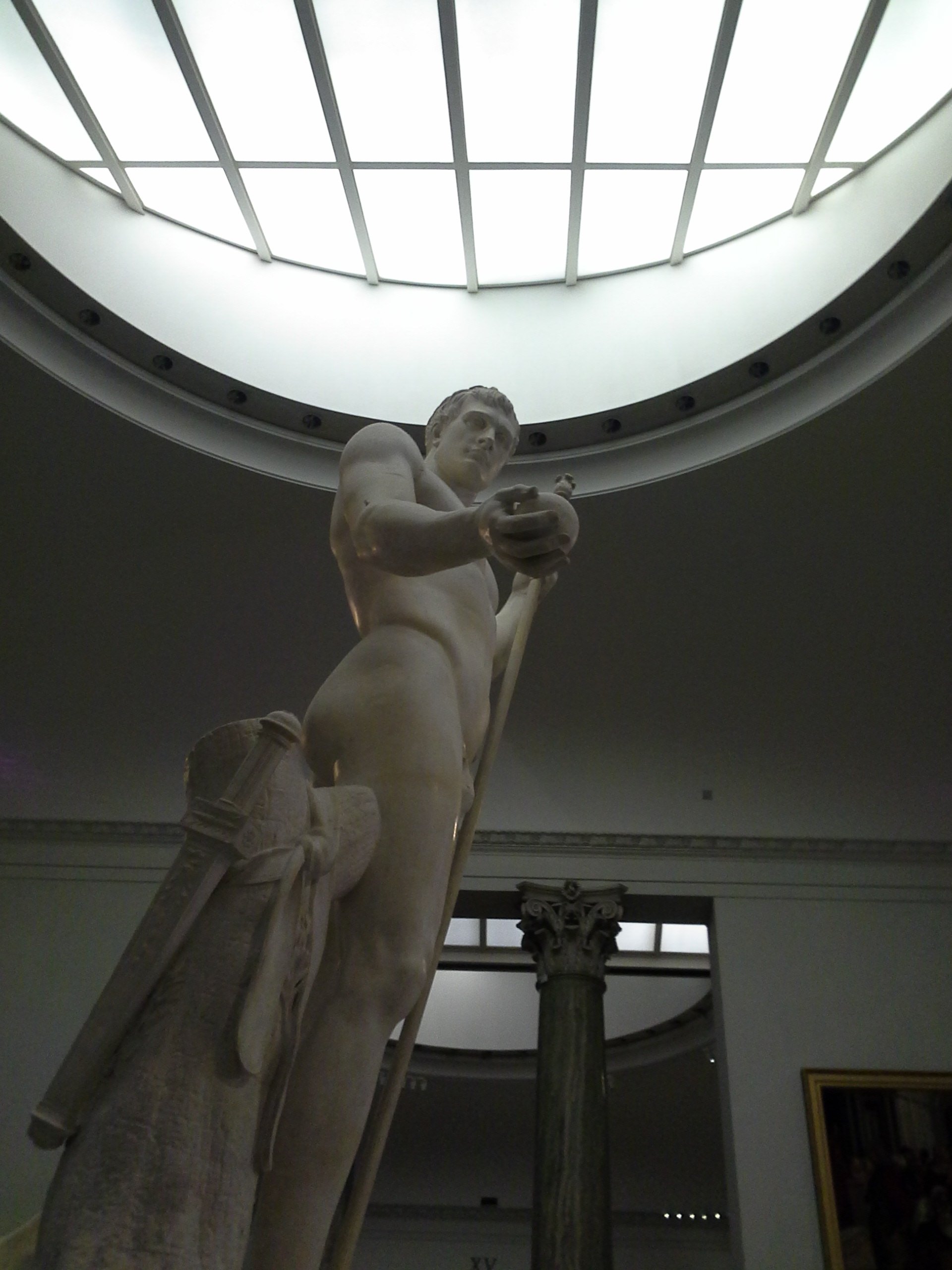
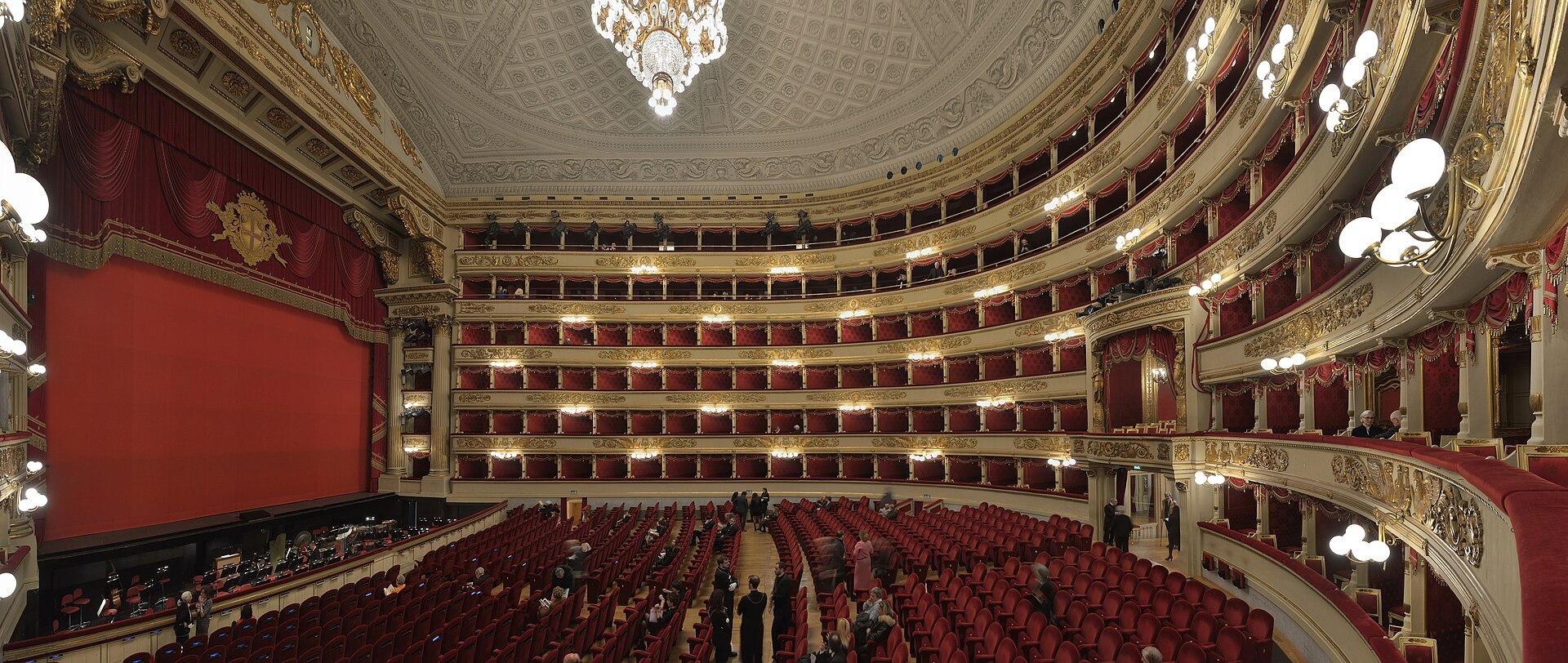
Photographs above, in order, from Wikimedia Commons: Francesco Crippa from San Francisco, USA (CC BY 2.0) · Jakub Hałun (CC BY-SA 4.0) · FlavMi (CC BY-SA 3.0) · Miguel Hermoso Cuesta (CC BY-SA 4.0) · Alessandro Perazzoli (CC BY-SA 4.0) · Nelson Pérez (CC BY-SA 3.0) · Blackcat (CC BY 3.0) · Óðinn (CC BY-SA 2.5 ca) · Angelino1975 (CC BY-SA 4.0) · Ivan Stesso (CC BY-SA 4.0) · Zairon (CC BY-SA 4.0) · Latinboy (CC BY-SA 3.0) · Dimitris Kamaras from Athens, Greece (CC BY 2.0) · CastelloSforzesco-MainCourtyardPanorama.jpg : chris 論 derivative work: Conte di (CC BY-SA 3.0) · SunOfErat (CC BY 3.0) · This Photo was taken by Wolfgang Moroder . Feel free to use my photos, but pleas (CC BY-SA 3.0). Each sight page repeats its own credit beside the image.

All sixteen, with the argument →

How long have you got?

Each plan is built around the fare caps, the tide and the fact that in this city the weather decides the order rather than the plan.

A correction we expect to make often

Two things on this site move faster than anything else. The Last Supper’s booking arrangements — how far ahead tickets are released, in what batches, and through which service — have changed more than once, and the combined Duomo passes are revised along with what they include. Nothing here states a price or a release date for that reason: we describe how the mechanism works and send you to the operator for the current position. If we have described a mechanism wrongly — which ticket covers the roof, which airport a train actually serves, which day a museum shuts — that is very much worth telling us about.

Everything here was checked on 7 September 2026. ⚠️ Fares, caps and entry requirements all change — confirm before you travel.